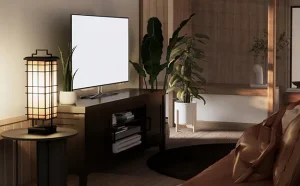
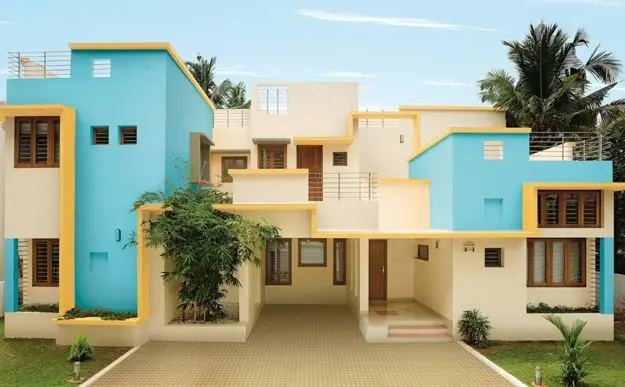
Paint does more than change a wall color. It can guide the eye, shape a room, and make small details stand out. Many homes already have special features, yet people often miss them. Trim, molding, doors, ceilings, built-ins, arches, beams, and fireplaces can all shine with the right paint choice. Also, paint helps you add character without major changes. That means you can make a room feel more thoughtful without tearing anything down.
When you use paint to highlight architectural details, you help your home tell its story. For example, a plain hallway can feel richer when door frames stand out. Likewise, a living room can feel warmer when a fireplace gets the right shade. So, instead of thinking of paint as background, think of it as a simple design tool. It can point out the parts of your home that deserve attention.
1. Why Architectural Details Matter in a Room
Architectural details give a room shape and personality. These details include crown molding, baseboards, window trim, ceiling beams, wall panels, stair rails, arches, and built-in shelves. While they may seem small, they affect how a room feels.
Also, these features help the eye move through a space. For example, painted trim can frame windows and make natural light feel more important. In the same way, painted beams can draw attention upward and make the ceiling feel more interesting.
Most homeowners want a home that feels cared for. However, that does not always mean large projects. Sometimes, small paint changes create a strong effect.
You benefit because:
- Your home feels more finished.
- Special features become easier to notice.
- Rooms gain depth without costly changes.
- Older spaces can feel fresh again.
- Plain rooms can gain charm.
In short, architectural paint ideas help you use what your home already has.
2. How Contrast Helps Details Stand Out
Contrast is one of the easiest ways to highlight a feature. It simply means placing a lighter color next to a darker one. Because the eye notices contrast quickly, this method works well on trim, doors, panels, and shelves.
For example, white walls with deep gray trim can make a room feel sharp. Meanwhile, soft beige walls with warm white molding can feel calm and classic. You do not need a bold color every time. Even a small shift in shade can make a big difference.
“Good contrast does not shout. It simply helps the best parts of a room speak clearly.”
Here is a simple guide:
| Feature | Good Paint Choice | Visual Effect |
| Crown molding | Lighter than walls | Makes ceilings feel higher |
| Interior doors | Darker than walls | Adds depth and focus |
| Built-ins | Same color as the wall | Creates a clean, blended look |
| Fireplace | Soft contrast color | Makes it a focal point |
| Window trim | Crisp neutral | Frames natural light |
So, when planning interior painting, think about where contrast will help most.
3. Using Trim Paint to Frame a Space
Trim acts like a picture frame for your room. It outlines doors, windows, floors, and ceilings. Because of this, trim paint can change the whole mood of a space.
White trim remains popular because it looks clean and bright. However, other colors can also work well. Soft gray trim can feel calm. Black trim can feel bold. Warm cream trim can make a room feel cozy.
Also, matching trim and walls can create a smooth look. This works well in small rooms, hallways, and older homes with many lines. Since fewer color breaks appear, the room can feel larger.
Use trim paint to:
- Frame windows and bring in more visual light.
- Make doorways feel more defined.
- Add depth to plain walls.
- Connect rooms with a steady color plan.
- Make older woodwork feel updated.
As a result, trim painting ideas can improve both style and flow.
4. Making Ceilings and Beams Feel Special
Many people ignore the ceiling, yet it can change a room fast. A ceiling with beams, trays, or panels gives you a great chance to use paint with purpose.
For instance, painted beams can make a room feel grounded. Dark beams against a light ceiling add drama. On the other hand, light beams against a soft ceiling feel airy and calm.
Also, tray ceilings can look deeper when the inside section has a different shade. This small change helps the ceiling feel more planned. However, keep the color soft if the room is small or has low ceilings.
Smart ceiling paint ideas
Painted beams:
Use a deeper shade to add warmth and structure.
Tray ceilings:
Use a soft contrast color to create depth.
Ceiling panels:
Use one shade lighter or darker than the walls for a calm effect.
So, ceiling paint design can help a room feel more complete from top to bottom.
5. Turning Built-Ins Into a Focal Point
Built-in shelves, cabinets, benches, and bookcases can become standout features with paint. Since they already add structure, paint can help them feel more useful and attractive.
For example, painting built-ins the same color as the wall can make them feel built into the room. This works well in small spaces because it keeps the look quiet. However, painting them a darker color can make them the main feature.
Also, paint can help older built-ins feel current. A soft green, navy, charcoal, or warm white can change the whole room. Still, the right shade depends on light, flooring, and furniture.
“Paint can turn storage into style when color supports the room’s purpose.”
Before painting built-ins, think about use. A busy family room may need a shade that hides marks. Meanwhile, a dining room may handle a deeper, richer color well.
Because of this, built-in painting works best with both beauty and daily life in mind.
6. Highlighting Fireplaces, Arches, and Niches
Some features naturally pull attention. Fireplaces, arches, and wall niches often sit in key spots. Therefore, paint can help them become strong focal points.
A fireplace can look warm and inviting with a soft neutral. However, it can feel bold with a dark shade. If the fireplace has brick, stone, or wood, test colors first. Paint should support the texture, not fight it.
Arches also respond well to paint. For example, painting the inside of an arch slightly darker can create depth. Also, painting the trim around an arch can frame the opening.
Wall niches can gain purpose with color too. A darker back wall can help art, books, or decor stand out.
Helpful ideas include:
- Use soft contrast for classic spaces.
- Use deeper tones for strong focal points.
- Keep nearby walls simple.
- Match the color mood to the room’s use.
- Test paint samples in daylight and evening light.
In the end, accent paint works best when it supports one clear feature.
Conclusion
Paint can do much more than cover walls. It can frame windows, define trim, warm up beams, update built-ins, and turn fireplaces into focal points. Also, it helps your home feel more thoughtful without major construction. When you use paint to highlight architectural details, you give each room a clearer purpose and a stronger sense of character.
Most importantly, you do not need to change everything. A careful color choice on one feature can shift the feel of the whole room. So, look around your home and notice what already has shape, texture, or charm. Then let paint help those details stand out.
For homeowners who want a service-focused option, Elite Home Transformations LLC can help with painting projects that bring attention to the details that make a home feel personal.